



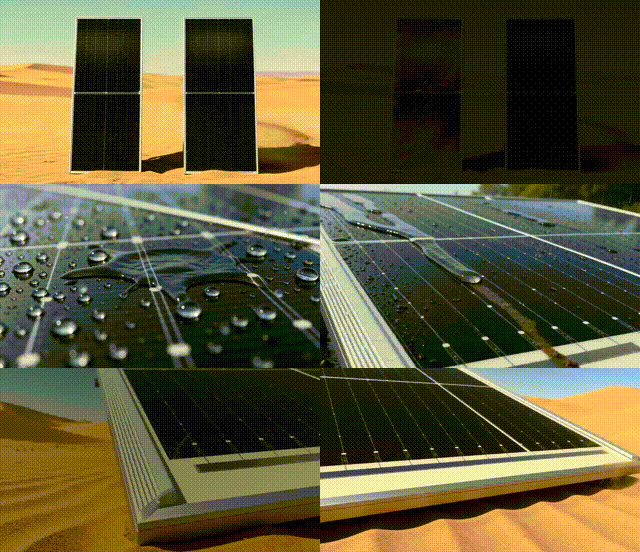




Jinko Solar
Anti‑Dust & Self-Cleaning Modules

How does dust directly affect power generation?
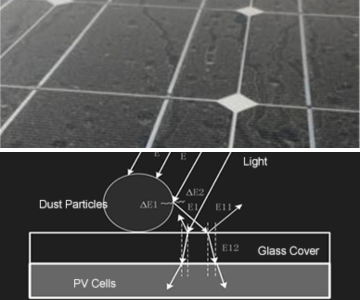
Dust covers the module glass surface and directly blocks sunlight; effective irradiance drops, and module output power decreases continuously with dust accumulation.
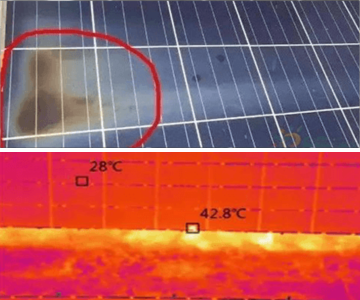
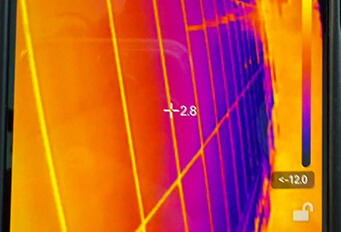
Local overheating or hot spots reduce overall efficiency and accelerate module performance degradation.
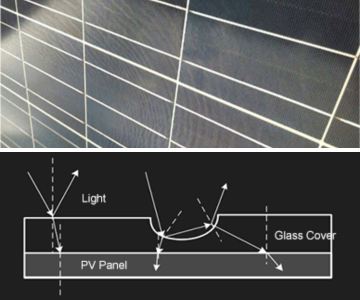
Increased diffuse reflection prevents some light from entering cells effectively, causing extra optical loss.
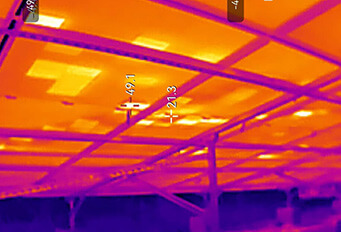
Hot spots are a critical defect in PV modules;
they cause sharp local temperature
rise, material damage, and fire risks.
Cells in hot‑spot areas stop generating power and act as a “load”,
consuming
electricity from other cells and reducing total output by 10%–30%.
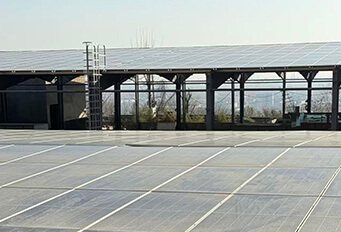
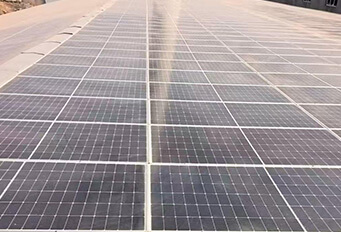
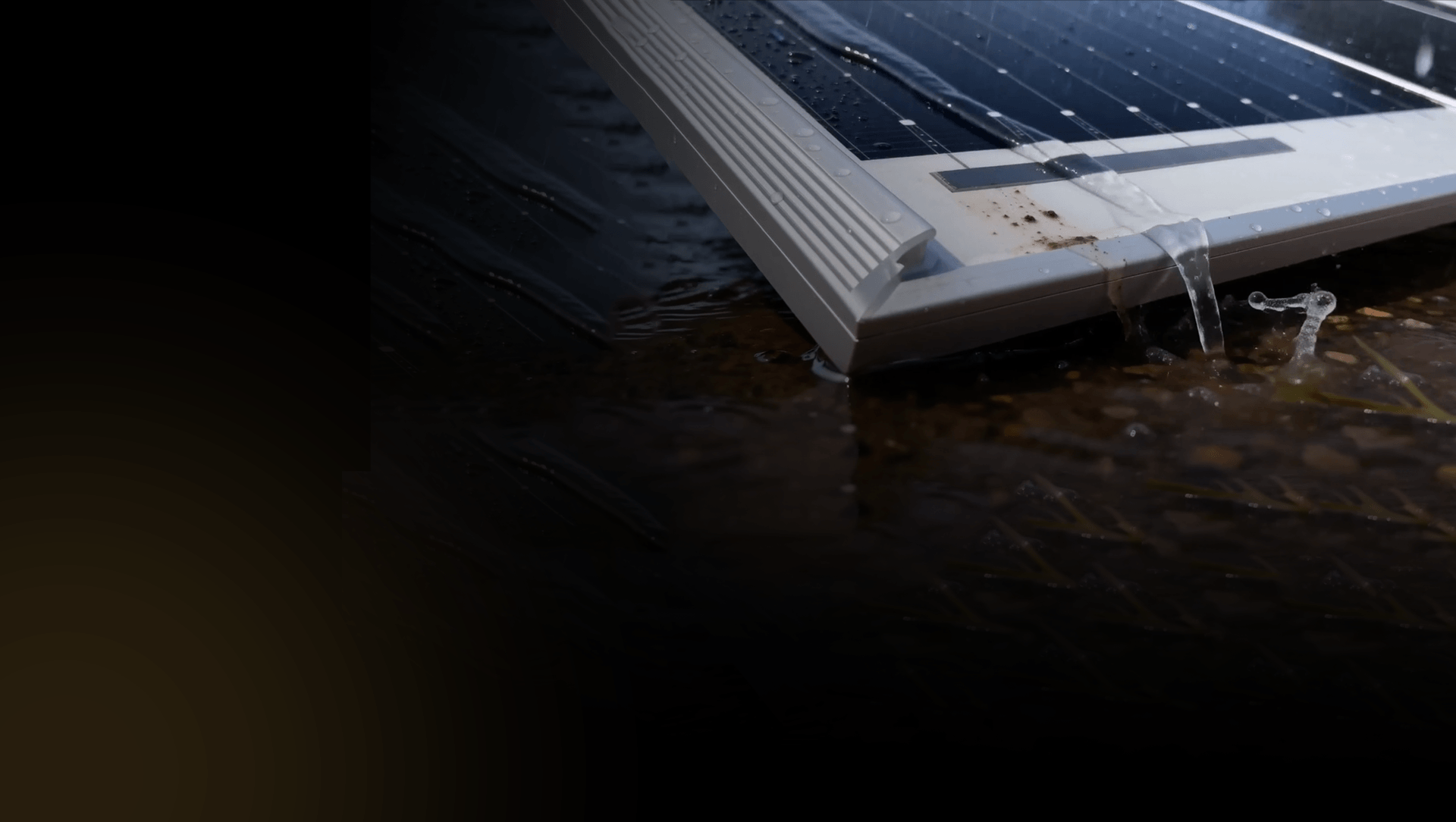
Disadvantages of Current Cleaning Methods
High cost, poor cleaning effect, frequent cleaning, easy to have glass scratching, etc.

There is an urgent need for a solution that reduces cleaning frequency, keeps
surfaces clean,
improves long‑term power output, and delivers low cost & high
return.
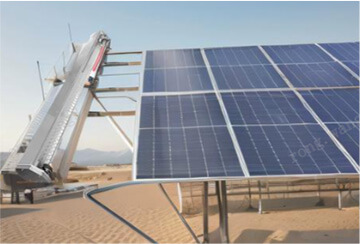
Mechanical Cleaning
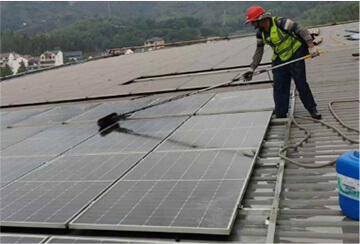
Manual Cleaning
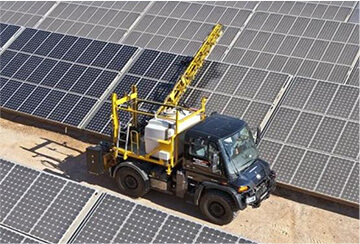
Robotic Vehicle Cleaning
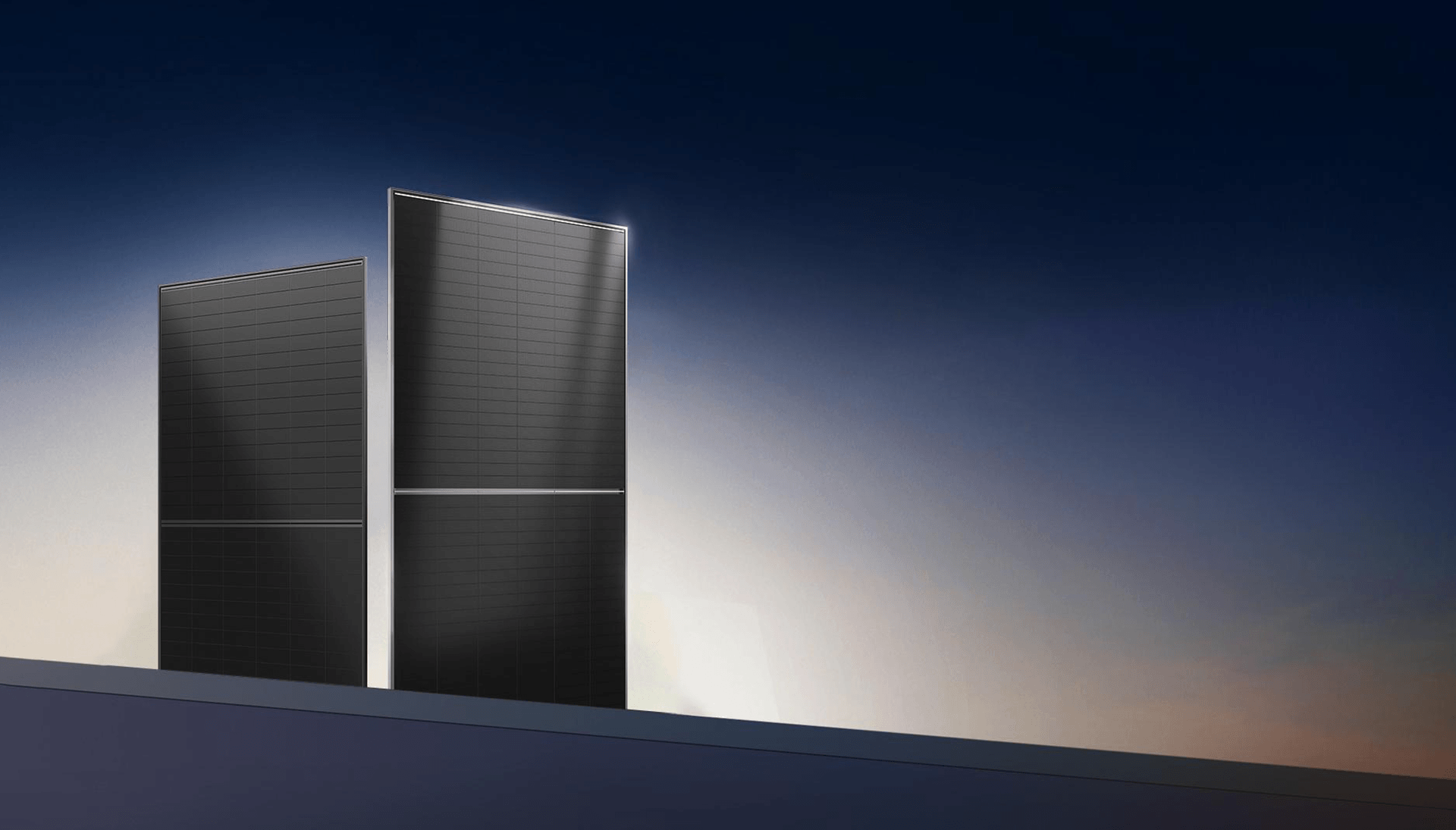
Development Platform
Model
Power Range
Electrical Specifications
Dimensions:
2382*1134*30 mmWeight:
32.5kg
Bifacial Rate:
85±5%Temperature Coefficient:
-0.26%
Warranty
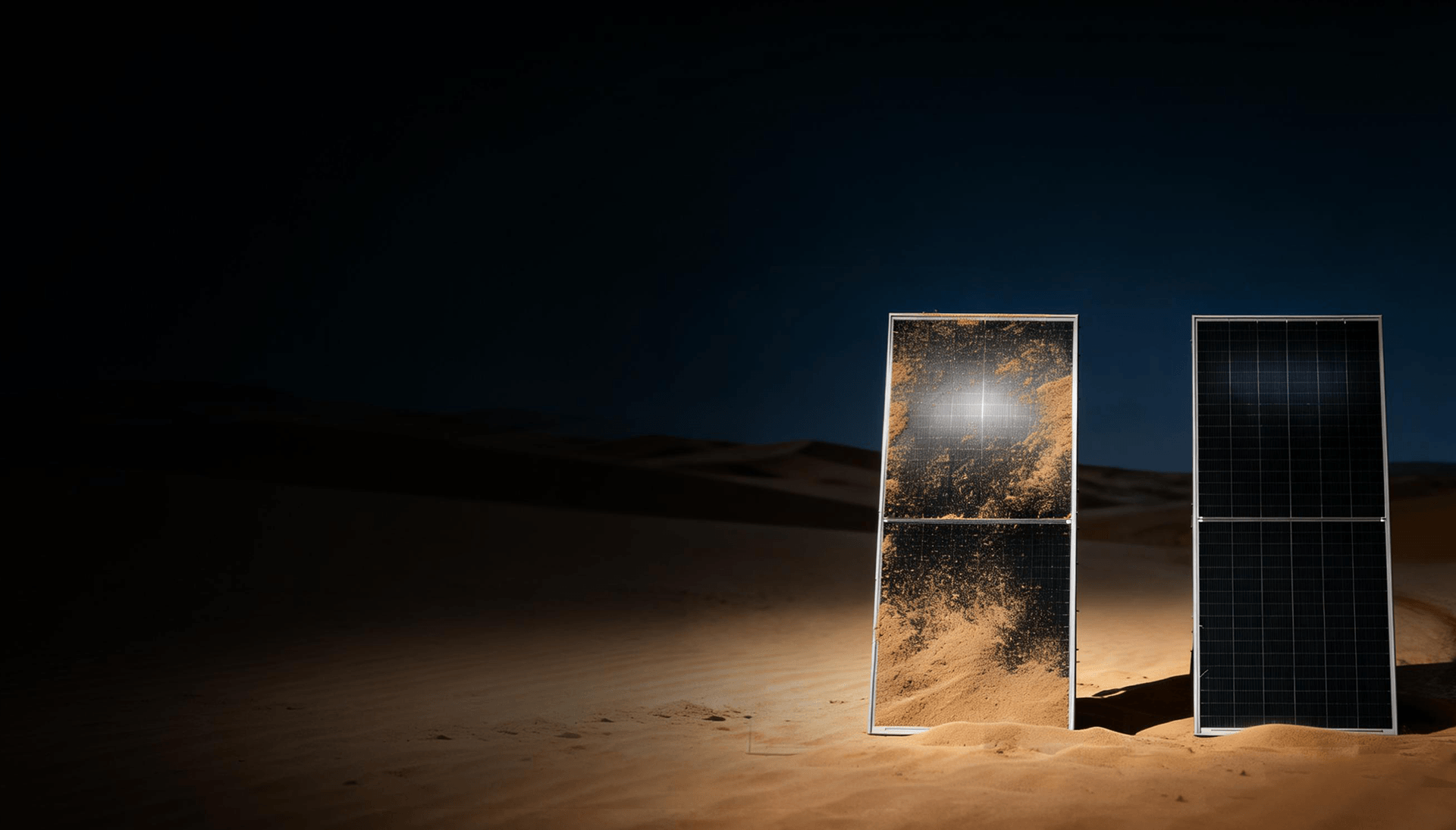
Dust‑Resistant Frame

Conventional Frame

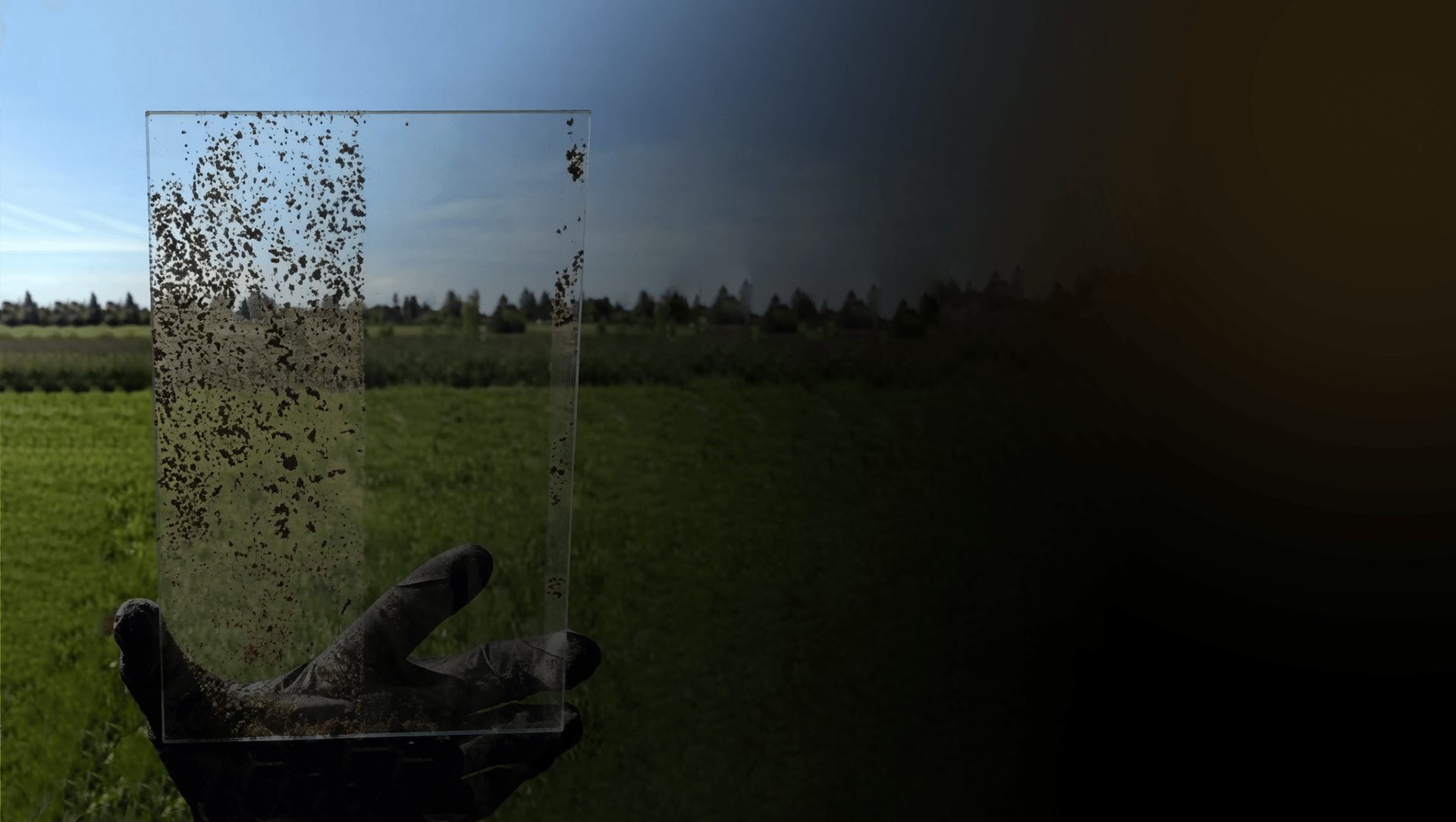
Principle: Nano‑scale rough structure reduces contact area between dust and glass, weakening molecular adhesion.
Effect: Reduces physical dust adhesion
Principle: Standard glass builds static electricity and attracts charged dust; conductive additives discharge static instantly.
Effect: Suppresses static; charged dust does not adhere easily.
Principle: Super hydrophilic coating spreads water into a uniform film instead of droplets.
Effect: A small amount of rain or dew are enough to create a cleaning water film.
Principle: Special coating activates photocatalytic reaction under sunlight.
Effect: Decomposes organic contaminants in dust.
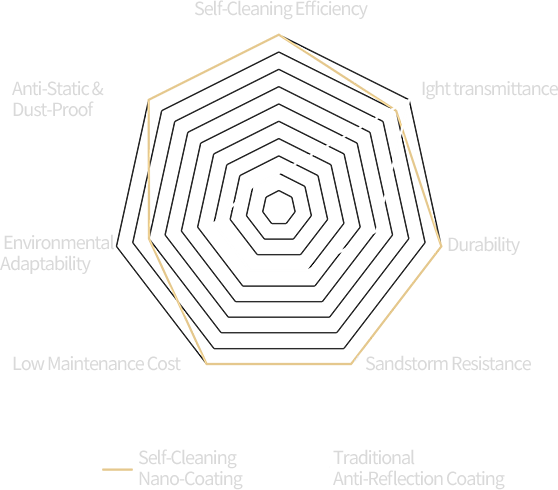
| Traditional AR Coating | Self‑Cleaning Coating | |
| Self‑Cleaning Function | Not Available | Available |
| Anti‑Static Ability | Not Available | Available |
| Durability | Average hardness, wear resistance, and durability | Excellent hardness, wear resistance, and durability |
| Maintenance Cost | Requires frequent cleaning | No frequent cleaning needed |
| Environmental Adaptability | More vulnerable to environmental factors | Adapts to various environments; resists sandstorms |
| Light Transmittance | Transmittance >94% | Transmittance >94% (slightly lower than traditional coating) |
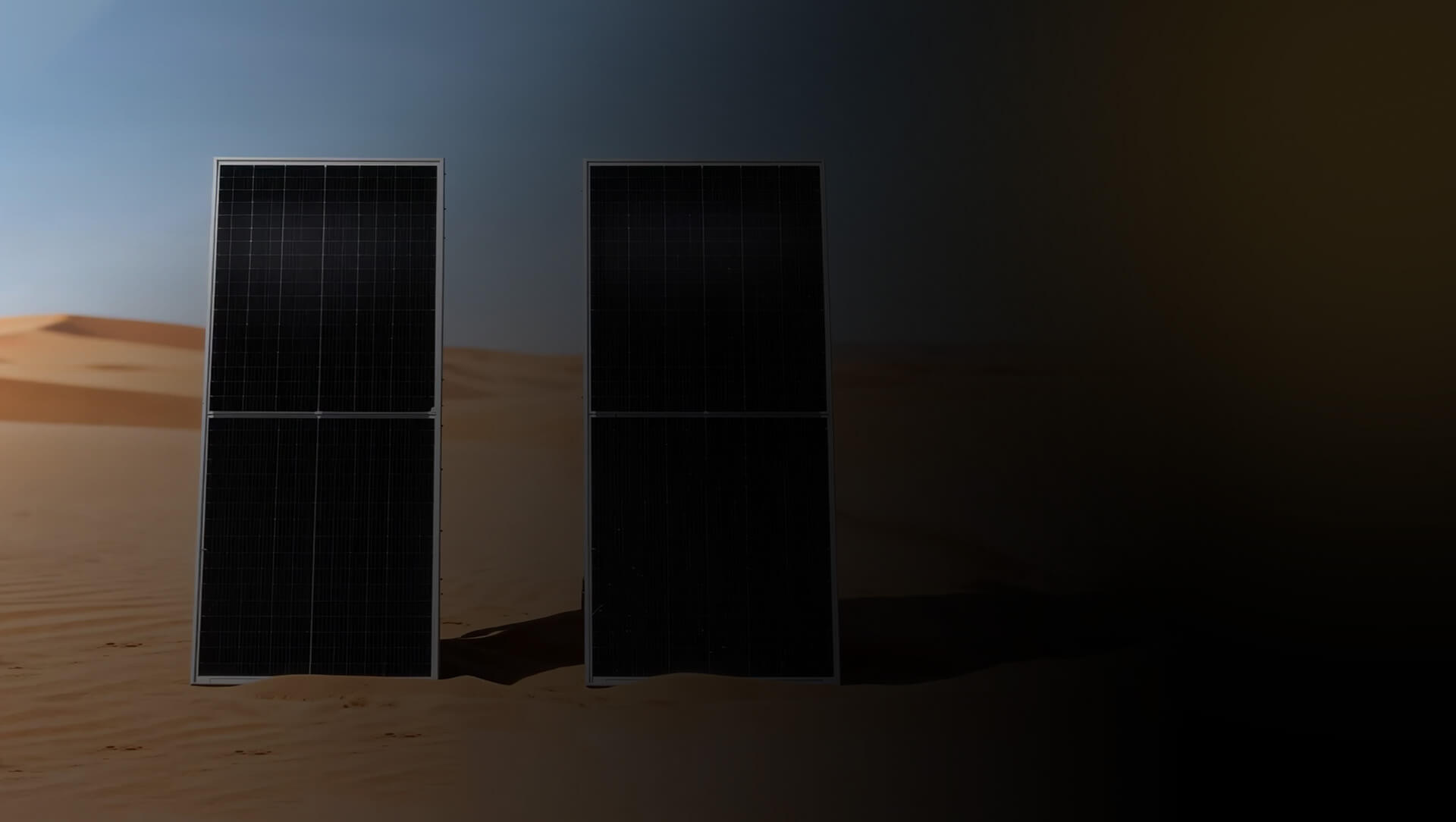
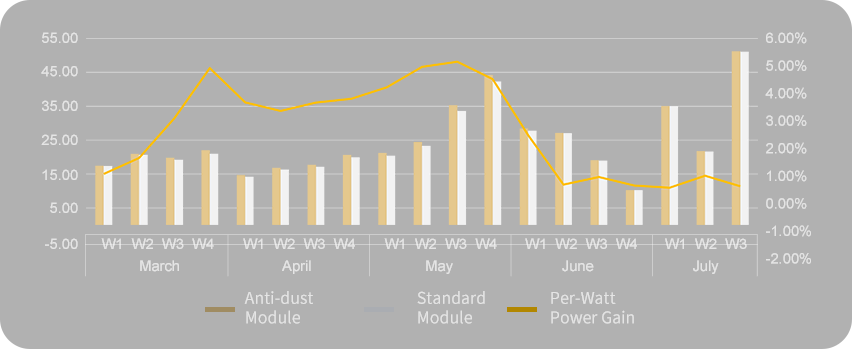
| Test Item | Standard Test Conditions | Internal Test Results |
| Self‑Cleaning Test – Glass | Monitor attenuation rate before & after test | 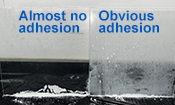 |
| Self‑Cleaning Test – Module | Monitor module attenuation before & after test | 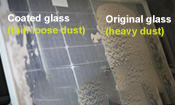 |

scroll down