



01. PV Capacity
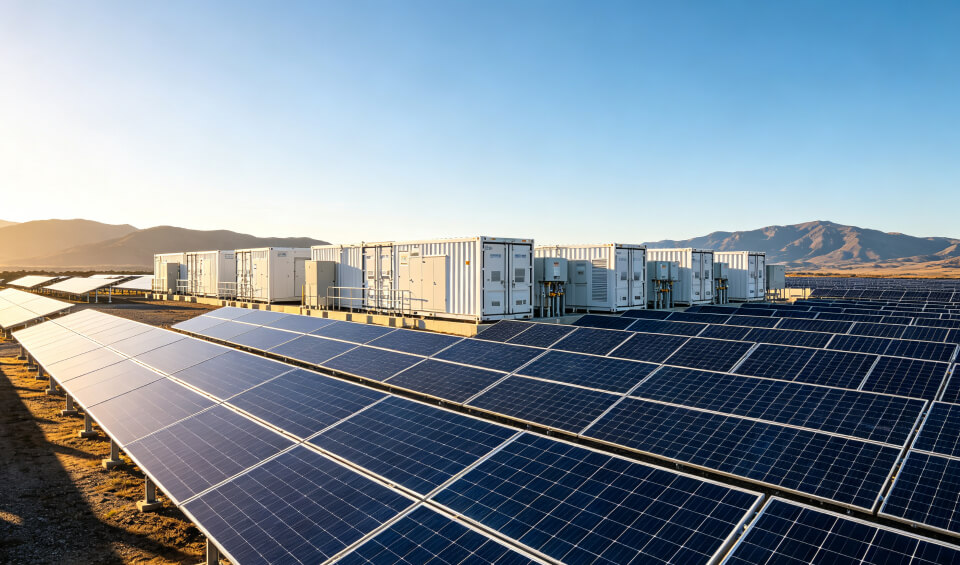
60 MWp (ground-mounted PV project, annual power generation of 66 million kWh)

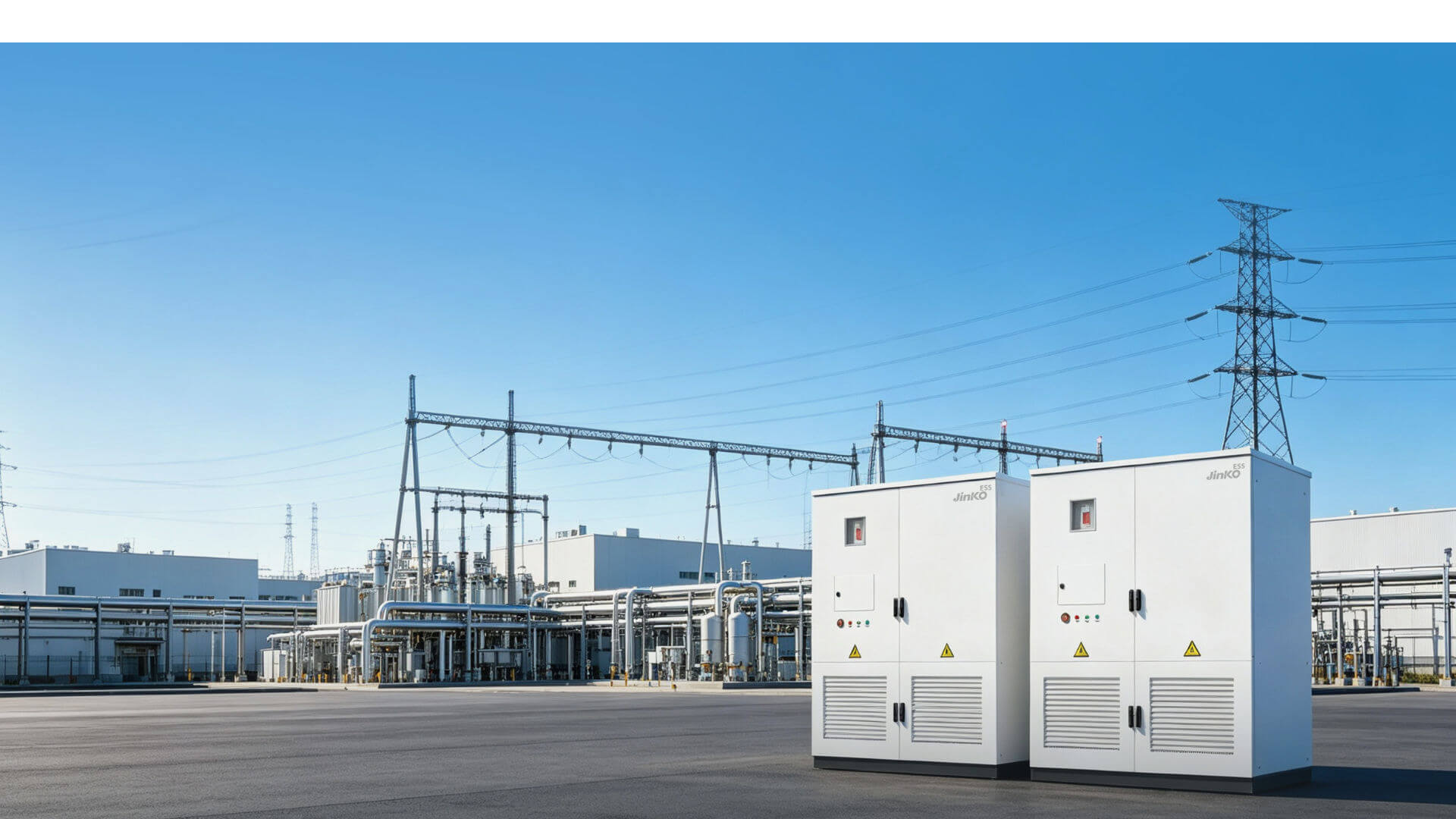
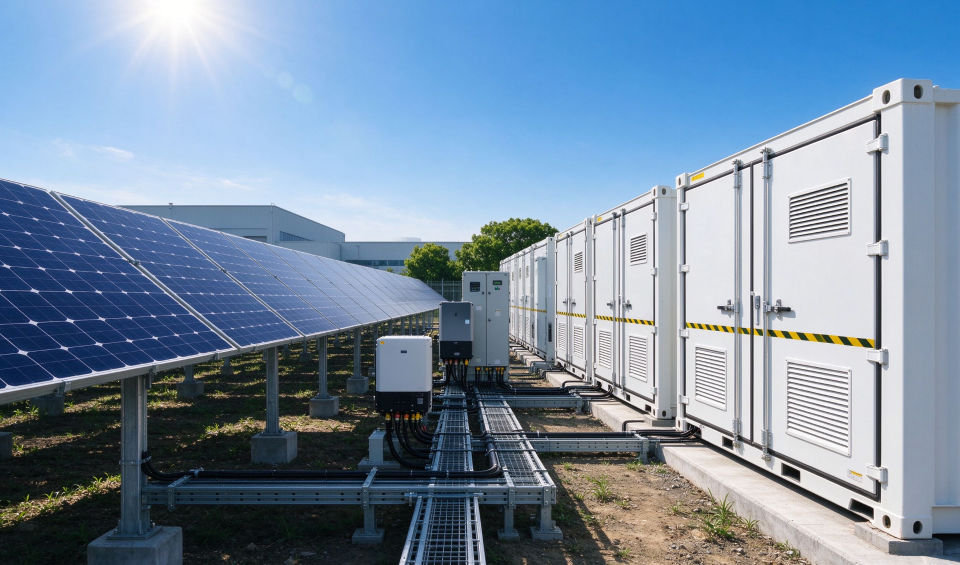
A manufacturing facility. Production loads are significantly higher during daytime hours and on weekdays than at night and on holidays. This is one of the scenarios where the “rooftop PV + consumer-side energy storage” model offers the greatest economic viability, with a high proportion of self-consumed PV power and energy storage capable of participating in peak-valley arbitrage, demand response, and distribution capacity relief.

Load Curve
High load during daytime on weekdays, baseline load maintained at night, and reduced load on weekends and holidays.

Key Equipment
Production lines, electric motors, air compressors, kilns/heating equipment, c ooling systems, air conditioning, circulation pumps, plant utility systems

Electricity Consumption Patterns
Highly correlated with production schedules, with distinct peaks in the morning and afternoon; consumption is even higher during high summer temperatures

Billing Characteristics
Primarily dual rate structures, demand charges or capacity charges have a significant impact on billing statements.

Electricity costs account for a significant portion of manufacturing costs, and peak-hour and super-peak electricity rates have a major impact on production costs.

Power rationing or load shedding disrupts continuous production, and the losses from production line downtime may far exceed the electricity costs themselves.

Short-term load spikes may lead to insufficient transformer capacity; capacity expansion involves long lead times and high investment costs.

Although rooftop space is abundant, PV output does not perfectly align with production loads; energy storage is needed to improve grid integration and maximize returns.
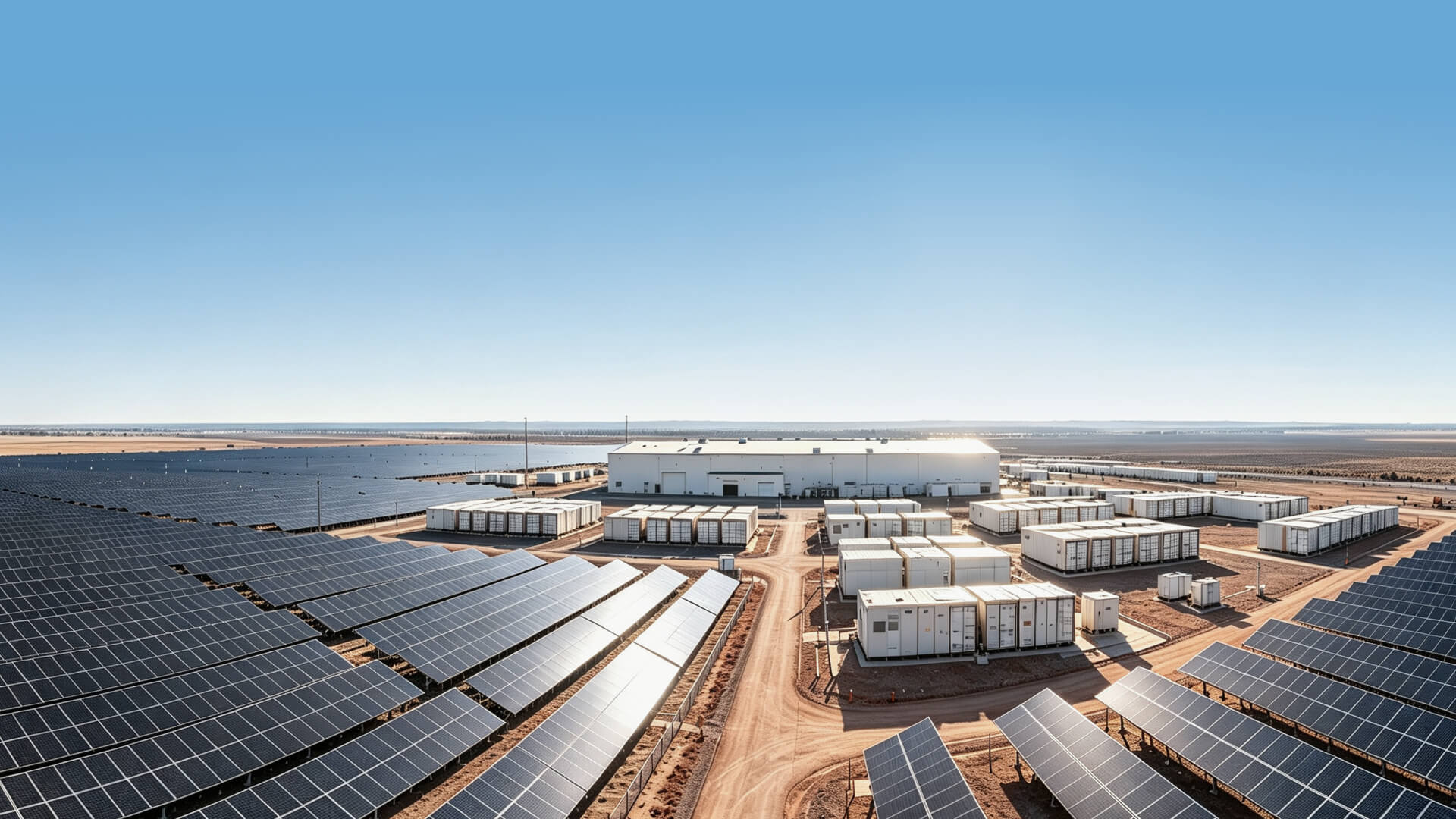
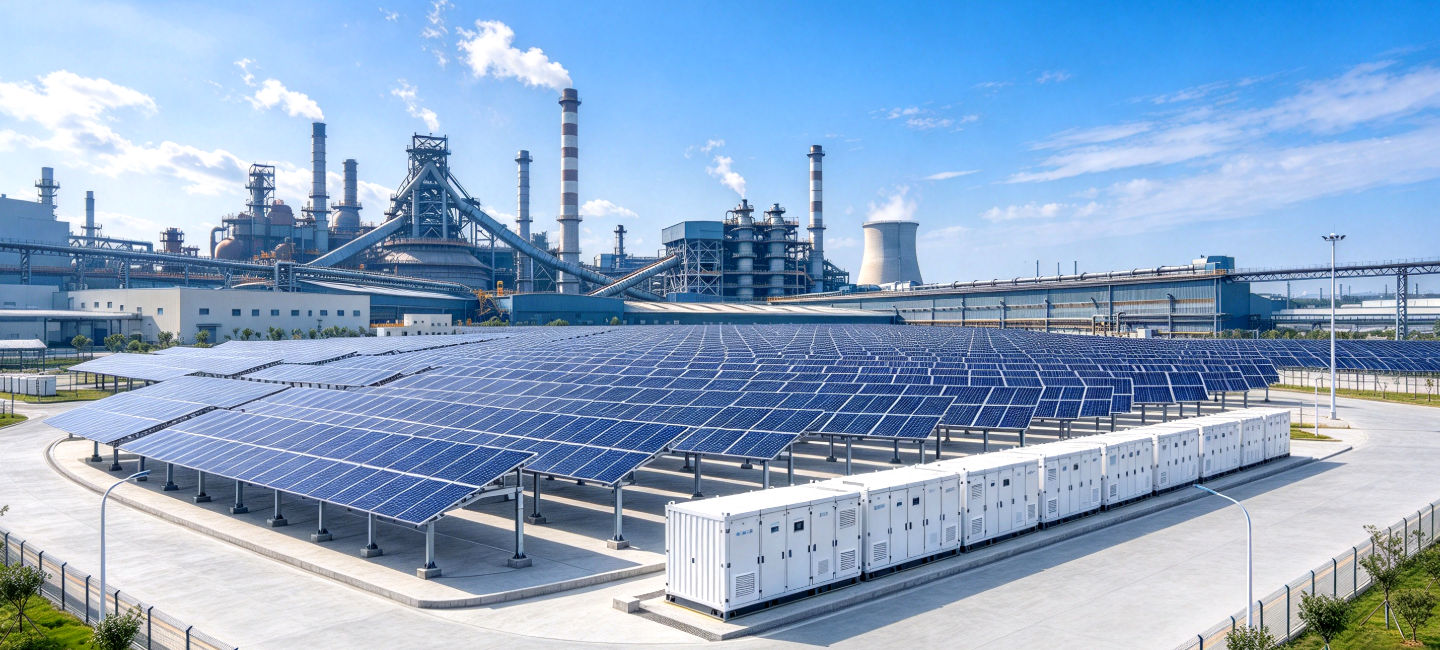
60 MWp (ground-mounted PV project, annual power generation of 66 million kWh)
10 MW / 20 MWh
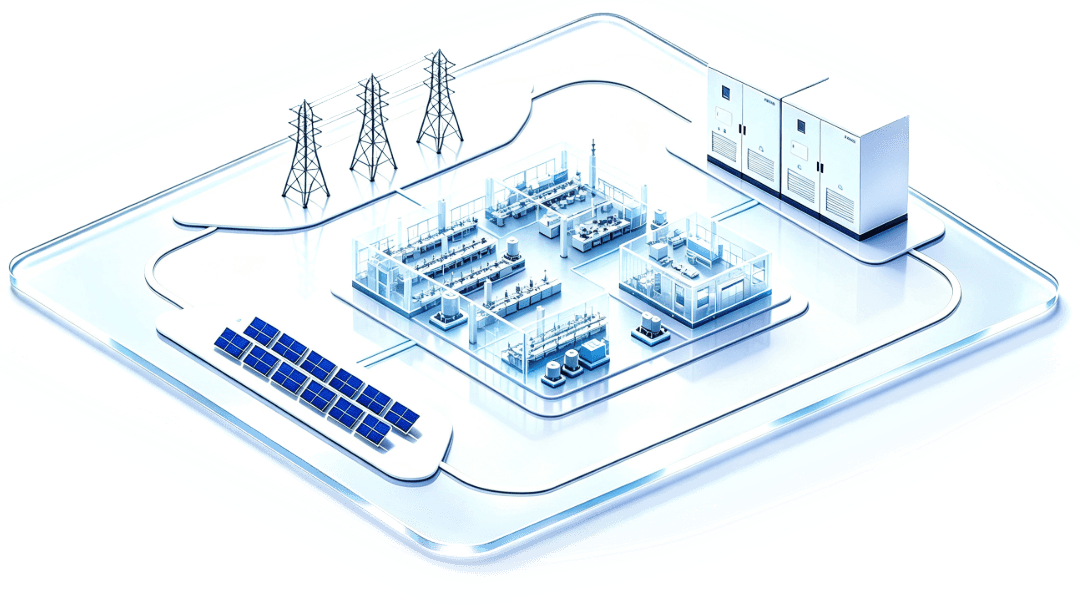
The EMS integrates PV, energy storage, main transformer loads, production schedules, and time-of-use electricity rates to achieve demand response.
Charge during off-peak electricity rate periods (e.g., at night) to reduce electricity purchase costs.
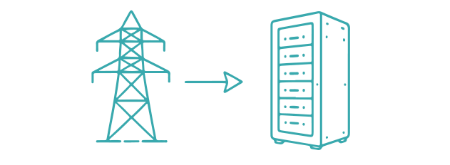
Discharge stored energy during peak electricity rate periods to replace high-cost grid purchases.

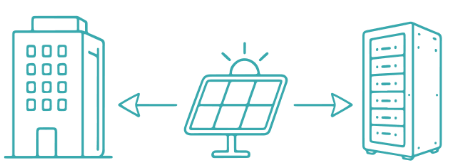
Make appropriate adjustments during off-peak periods based on production load requirements; prioritize solar power to meet the load, and feed excess electricity into the energy storage system.
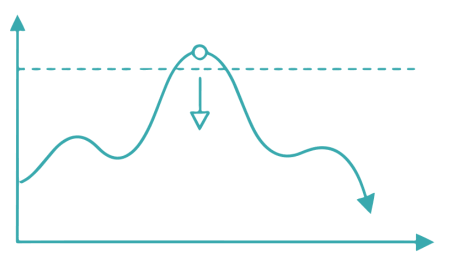
When the main transformer load approaches the demand threshold, the energy storage system enters demand control mode to limit peak demand and reduce demand-based electricity charges.
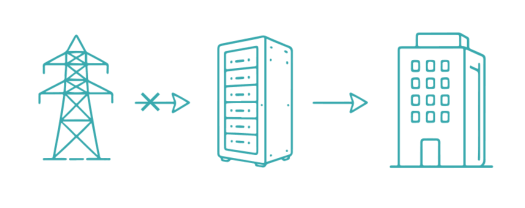
In the event of a grid failure or power rationing, the energy storage system can quickly switch to off-grid mode to provide uninterrupted power to critical loads (such as electric furnaces and continuous casting machines), ensuring production safety

Cost Reduction and Efficiency Improvement
Reduce electricity expenses through peak-valley arbitrage and demand management (can reduce steel mill electricity costs by 24.9%).

Green Energy Consumption
Increases the self-consumption rate of solar power to over 90%, preventing curtailment.

Grid Stability
Smooths out load fluctuations and improves power quality

Emergency Suppor
Ensures uninterrupted power supply to critical production loads during grid failures or power rationing.

Carbon Emissions Reduction
Reduces annual carbon emissions by more than 37,000 metric tons.


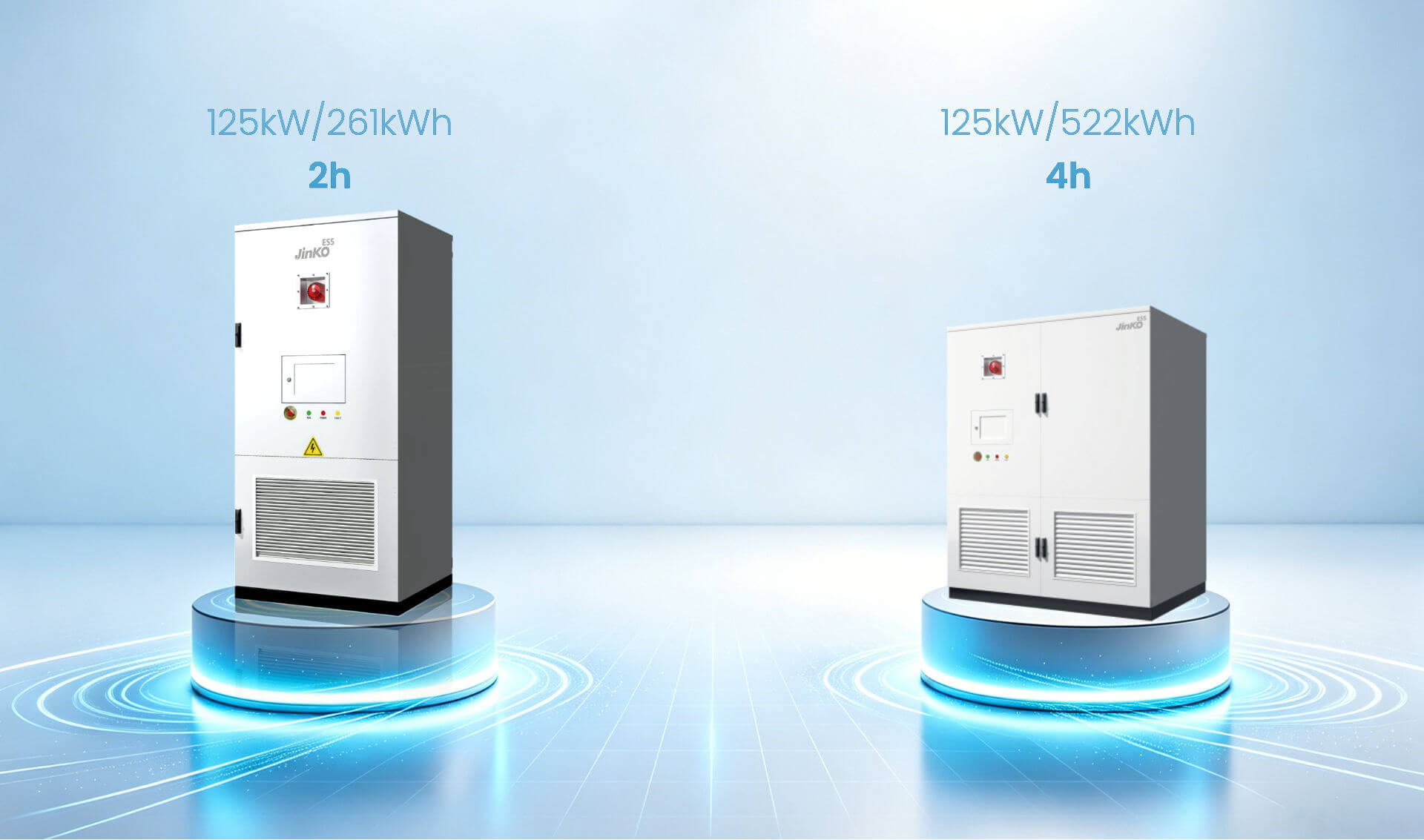
Industry-leading Safety Performance